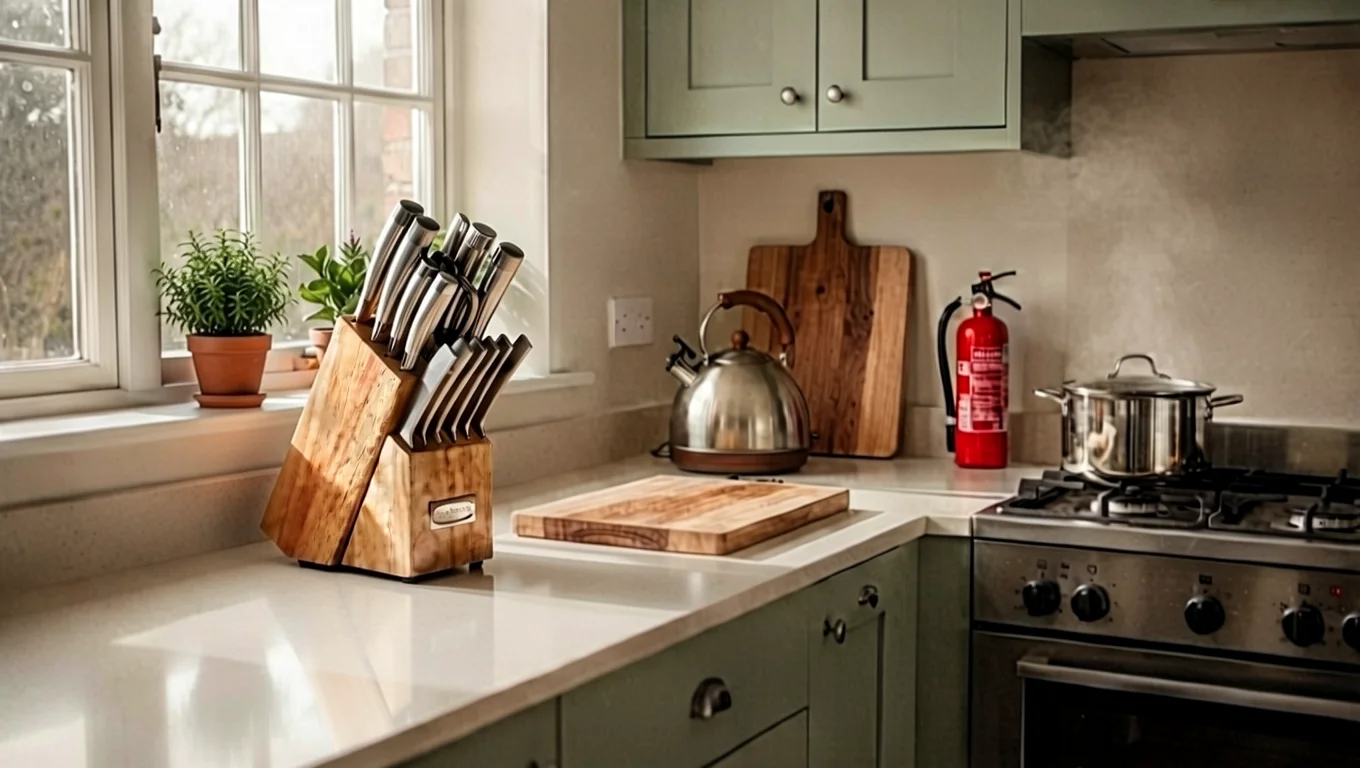
The kitchen serves as the center of daily life. It is where meals are prepared and where families gather. I spend a significant amount of time in this space and have learned that treating it like a workshop changes everything. However the room is filled with potential hazards such as hot surfaces, sharp utensils, electrical appliances, and slippery floors. Those everyday items can easily turn into risks if we lose focus. You don't need to be fearful when cooking, you just need to cook with awareness. I'll share some practical tips so you can keep your space secure. They cover fire prevention, injury avoidance, food hygiene, and the quiet power of a nightly reset. I'll walk you through each below, and I hope it will help you build a calmer routine too.
Hot things burn!
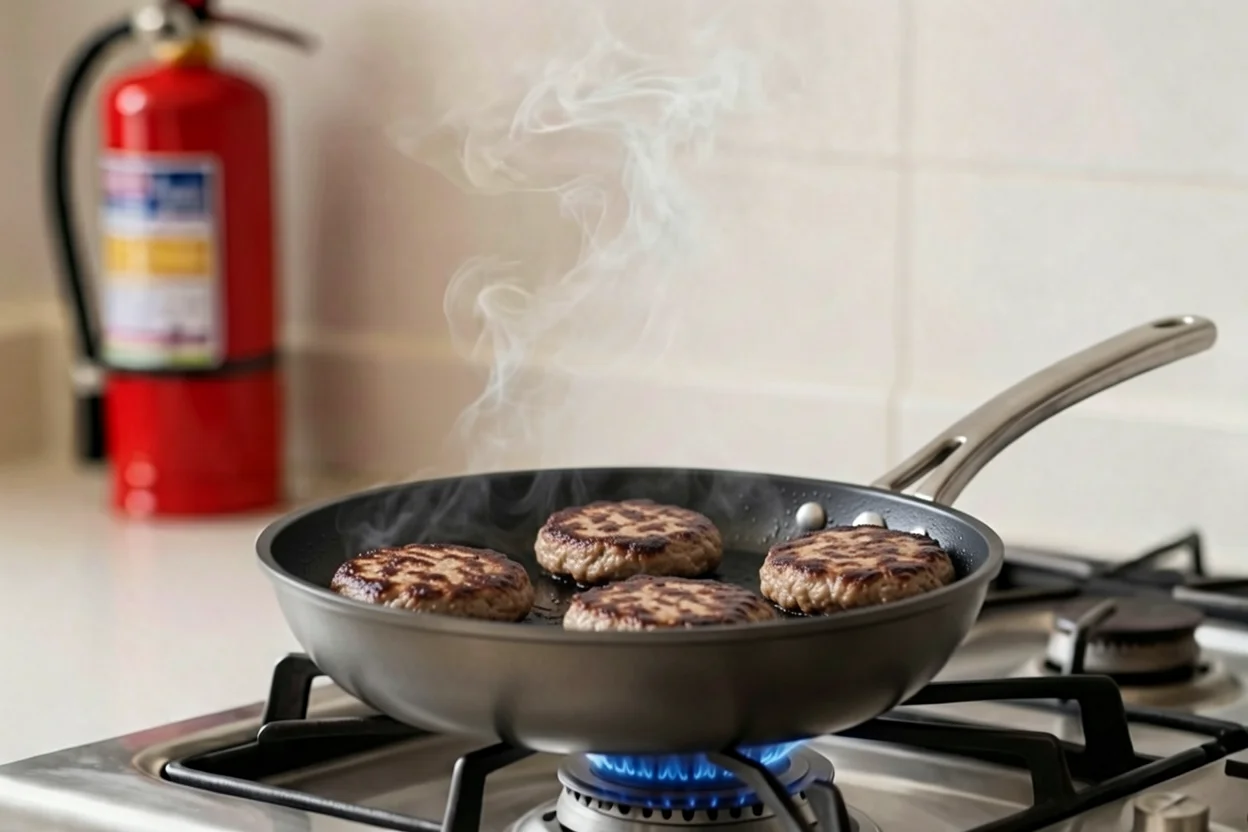 Let us start with the stove. The kitchen is a common site of home fires due to flammable materials like oil and gas. I remember stepping away to answer a ringing phone once. The pan began to hiss, and a thin ribbon of smoke curled upward. Ten seconds is all it took for the heat to build, and if I had not caught it in time it could have been disastrous. That kind of situation can be avoided with some safe practices that are pretty straightforward.
Don't leave cooking unattended.
To be fair there are always exceptions to the rule, if you don't have children around, and you have a pot simmering on low do you really need to stand there staring at the pot? No, you just need to keep in mind that when you have something cooking you cannot be absent for long. If you must leave to deal with a problem, turn off the burners. If it turns out you needed to be gone for a long time, the worst case is that you may have ruined a meal, but at least you didn't burn the place down.
Have a fire extinguisher ready.
I keep my extinguisher within arm's reach of the cooking zone. It sits there as a quiet reminder that preparation beats panic. When oil heats up, it does not wait for us to finish a task. The temperature climbs quickly.
Turn pot handles inward
Turning pot handles inward when cooking on the stove stops them from jutting out and possibly getting knocked over or onto the floor. This is especially important if you have children around who could reach for the handle and pull a pan full of hot liquid down upon themselves causing serious burns. No one wants that! They say "An ounce of prevention is worth a pound of cure"
Keep flammable objects away from the stove.
Obviously you would not keep gasoline or lighter fluid near an open flame, but many things in the kitchen and around the house can be flammable. Some things that you might not think are flammable can be very dangerous under the right conditions. A greasy and dirty range hood can catch and spread fire. Concentrated particles of dust or flour can explode when exposed to an open flame. Respect the flame and you will be better off for it.
Other Kitchen Perils
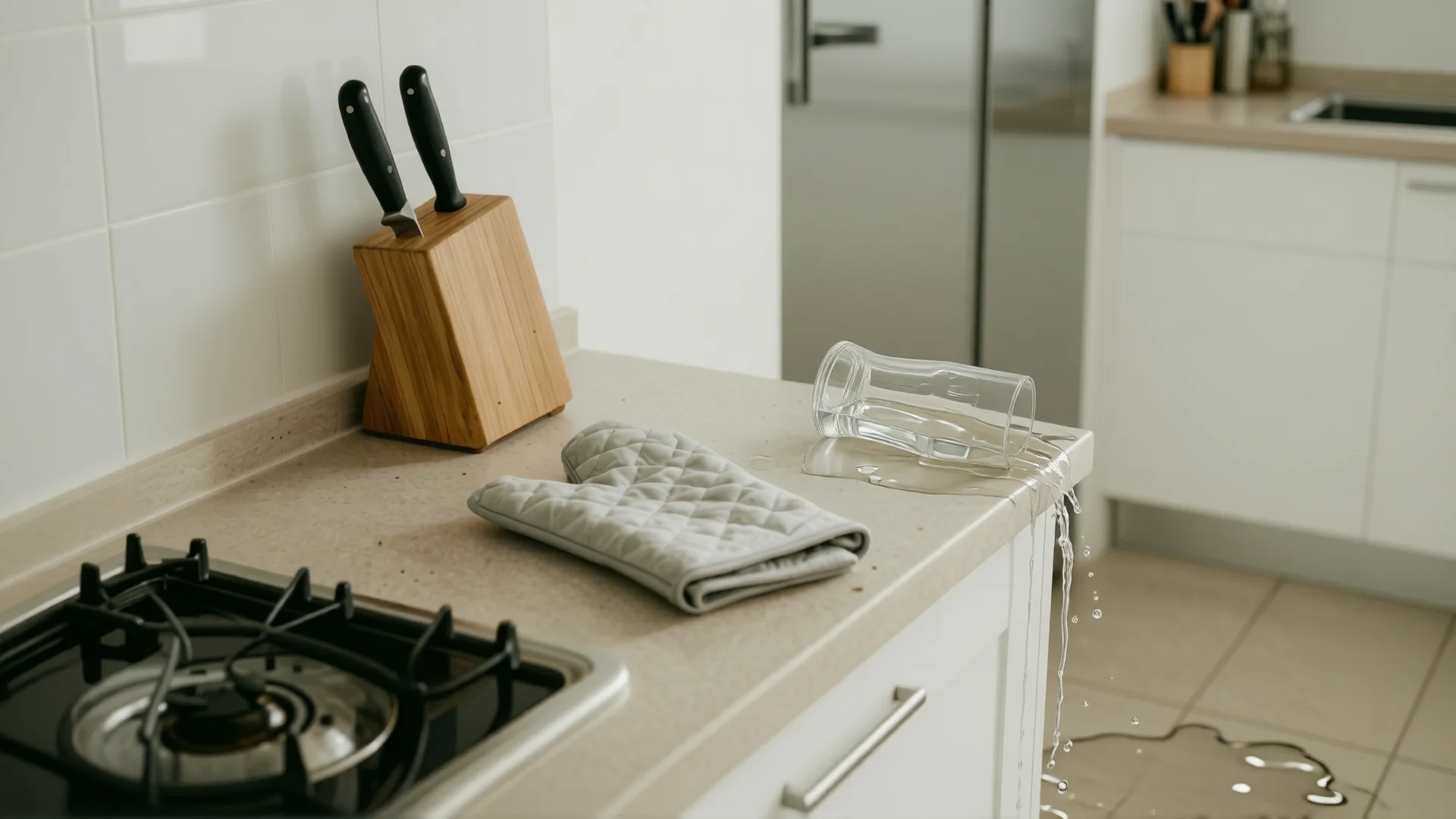 The kitchen is filled with all sorts of dangers and risks. Knives can cut, hot surfaces burn, and wet or cluttered floors can cause slips and falls.
When I was younger and just learning to cook I got my fair share of cuts and burns so now I treat every blade with respect and I am mindful of hot surfaces. I keep the knives sharp because a dull knife slips more easily which can lead to an injury and I use other safety devices such as oven mitts when handling hot items. The splatter screens come out when I fry anything that might pop. They also keep grease and oil from going all over the place which makes cleanup much easier. These tools do the heavy lifting.
Spills happen so it is a good idea to keep an eye the floor so that when a spill happens it can be cleaned up right away. A wet tile is a slip and a fall waiting to happen.
Shocking but true
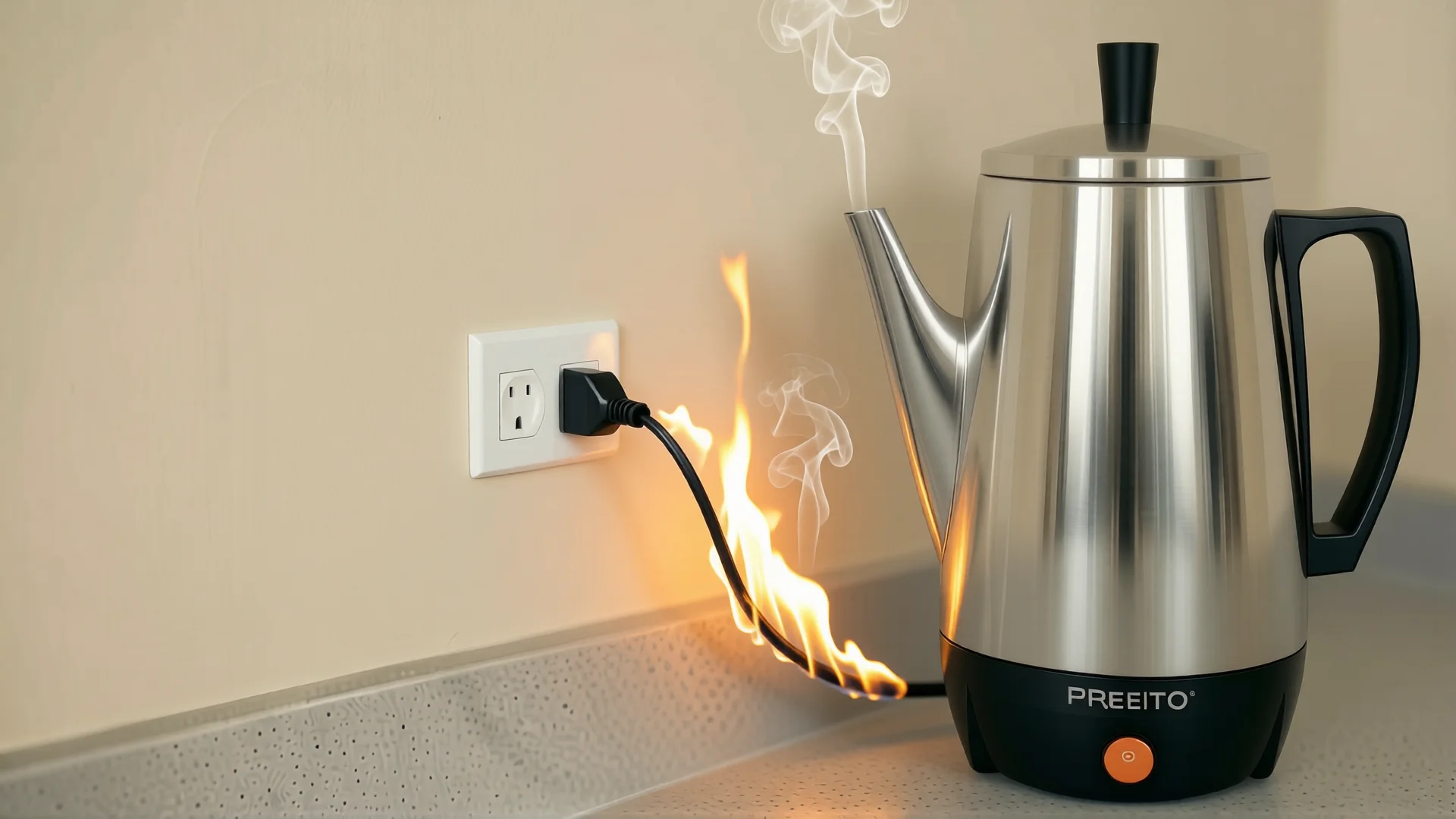 Electrical safety matters just as much!
I have an old style coffee percolator that I use from time to time. Years ago I decided to brew a fresh pot of my favorite fresh ground coffee. I grabbed the percolator, added the water, carefully measured the coffee, turned it on and walked away. What I didn't realize is that I used a the wrong power cord that was too thin and the percolator was drawing enough power to overheat the power cord. Over time it got hotter and hotter until it caught on fire. Fortunately my younger son saw the fire and alerted us in time. Lesson learned!
Electrical safety matters just as much!
I have an old style coffee percolator that I use from time to time. Years ago I decided to brew a fresh pot of my favorite fresh ground coffee. I grabbed the percolator, added the water, carefully measured the coffee, turned it on and walked away. What I didn't realize is that I used a the wrong power cord that was too thin and the percolator was drawing enough power to overheat the power cord. Over time it got hotter and hotter until it caught on fire. Fortunately my younger son saw the fire and alerted us in time. Lesson learned!
A similar thing can happen if you overload an electrical outlet with too many appliances. Too many plugs in one outlet can lead to an electrical fire just like my percolator power cord. Most kitchens have multiple wall outlets so plug things into different outlets to keep a single outlet from overheating.
It is also good idea to inspect your appliances regularly. Cracked power cords can be an electrical shock hazard so check them periodically. Listen for strange noises as they may be the precursor to an appliance failure. Regular maintenance ensures they function correctly and safely for years to come.
Room to breathe
Proper ventilation prevents the accumulation of harmful smoke or gases. So, I also pay attention to airflow. I turn on the vent fan or open a window. The air stays fresh. My eyes do not water, and it helps to minimize the smells that can linger long after cooking is done.
More than just preventing cuts and burns
Kitchen safety is also about ensuring food safety. Little habits like washing hands your before touch anything, keeping utensils and surfaces clean, wiping down cutting boards after each use. Regular cleaning helps prevent the buildup of bacteria, mold, and pests.
Over the years I have adopted the "Clean as you go" method of cooking. This method involves putting ingredients away after using them, discarding peels, wrappers, and other scraps immediately, washing or loading into the dishwasher the utensils and bowls I no longer need, wiping up spills and splatters promptly, keeping raw-meat tools separate and cleaning contaminated surfaces, and leaving only the equipment I'm still using on the counter.
By the time the food is ready, most of the cleanup is already done, which makes cooking more efficient, helps to prevent cross-contamination and does not leave me with a big mess to clean up after I am done cooking.
The nightly reset
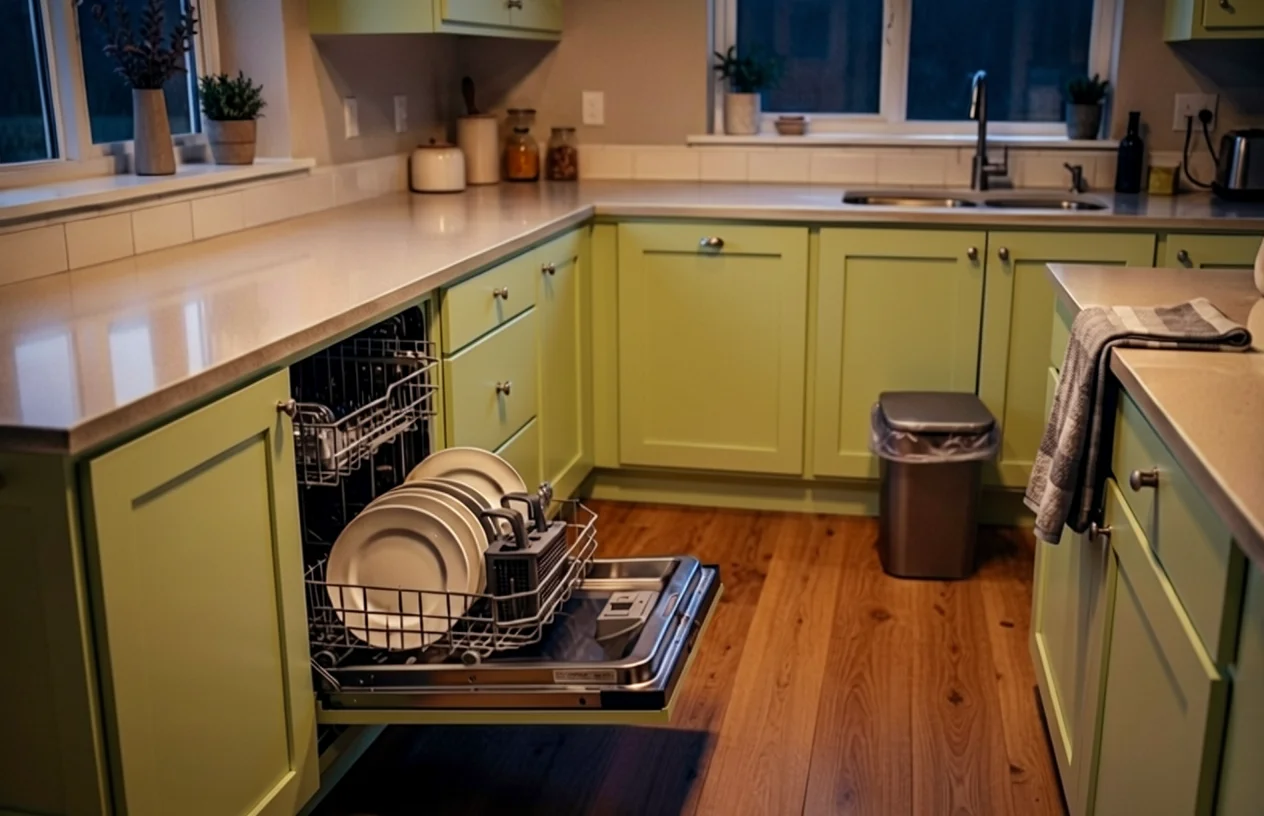 I have found that a short nightly reset supports a calmer and safer kitchen routine. I do not deep clean every evening. I just reset the stage. The counters get wiped, and the dishwasher is unloaded and loaded with the remaining dishes. I sweep the floor, clean the stove and knobs, and if needed take out the trash.It all takes about fifteen minutes.
The next morning, the room feels ready. I do not step over clutter or stress about where to put the next ingredient on a cluttered countertop. I cook with a clear head. That system works. Meals taste better when the cook feels calm each day. When I clear the path before bed it changes the entire morning. I walk in. I see clean space. I start cooking without friction. The difference is noticeable. The stress drops. The food improves.
The kitchen does not have to be a dangerous place. It just requires attention. Building these habits takes time. I did not master them overnight. I started with one rule. Then I added another and then another. Over time I noticed how these changes added up. These small steps are not complicated. They are just consistent. Safety then becomes a habit. It is a quiet discipline. It keeps us out of the hospital. It keeps us in the kitchen. I follow this every time I cook. It works for me. I hope it works for you too.