Budget-Friendly Meal Planning: A Practical System for Tighter Grocery Bills
More than half of American adults say grocery costs are a major source of stress in their daily lives. A July survey by the Associated Press and NORC found that 53% of adults feel that way. The numbers make sense when you consider that grocery store food prices were 2.1 percent higher in January 2026 than in January 2025. For a family of four, the pressure is real.
The good news is that a few repeatable strategies can make that budget stretch without turning every dinner into a sad plate of rice and a single vegetable. The system below pulls together what works: buying proteins in bulk, using crossover ingredients, doing a light prep session, and building the week around what is already in the kitchen.
Buy Two Proteins, Stretch Them Across the Week
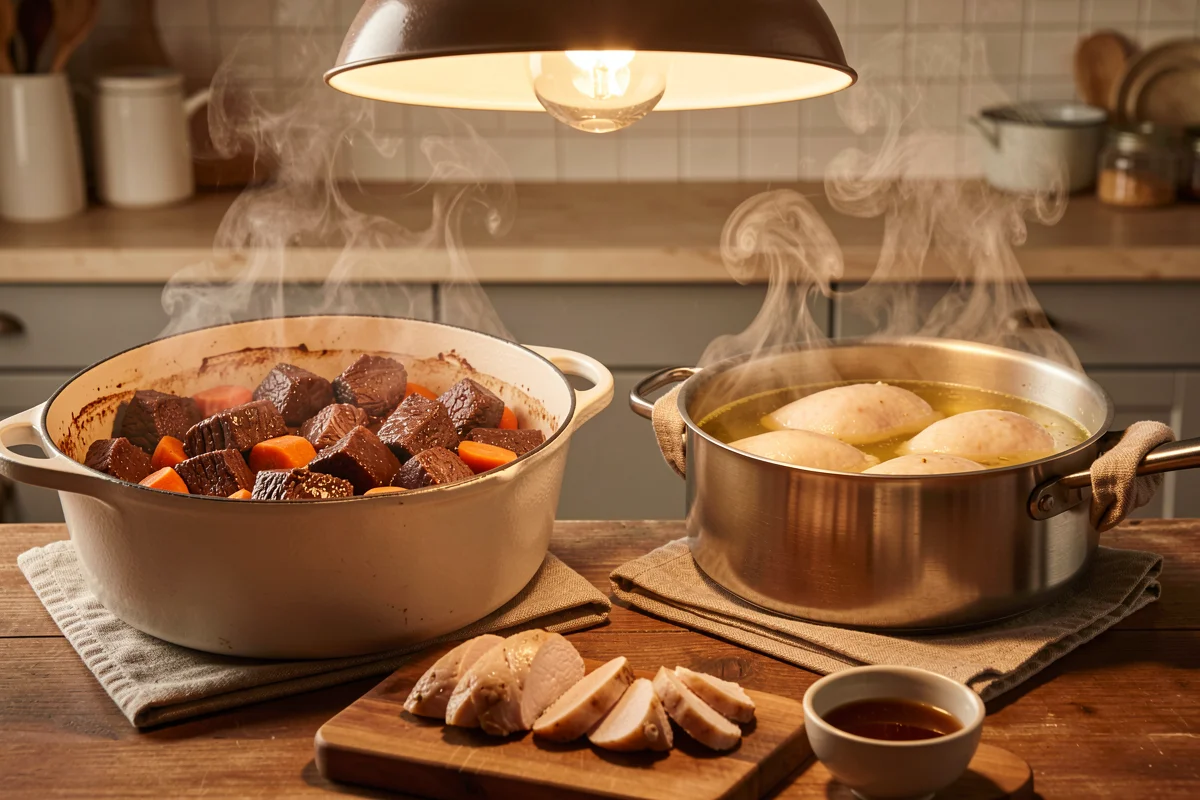
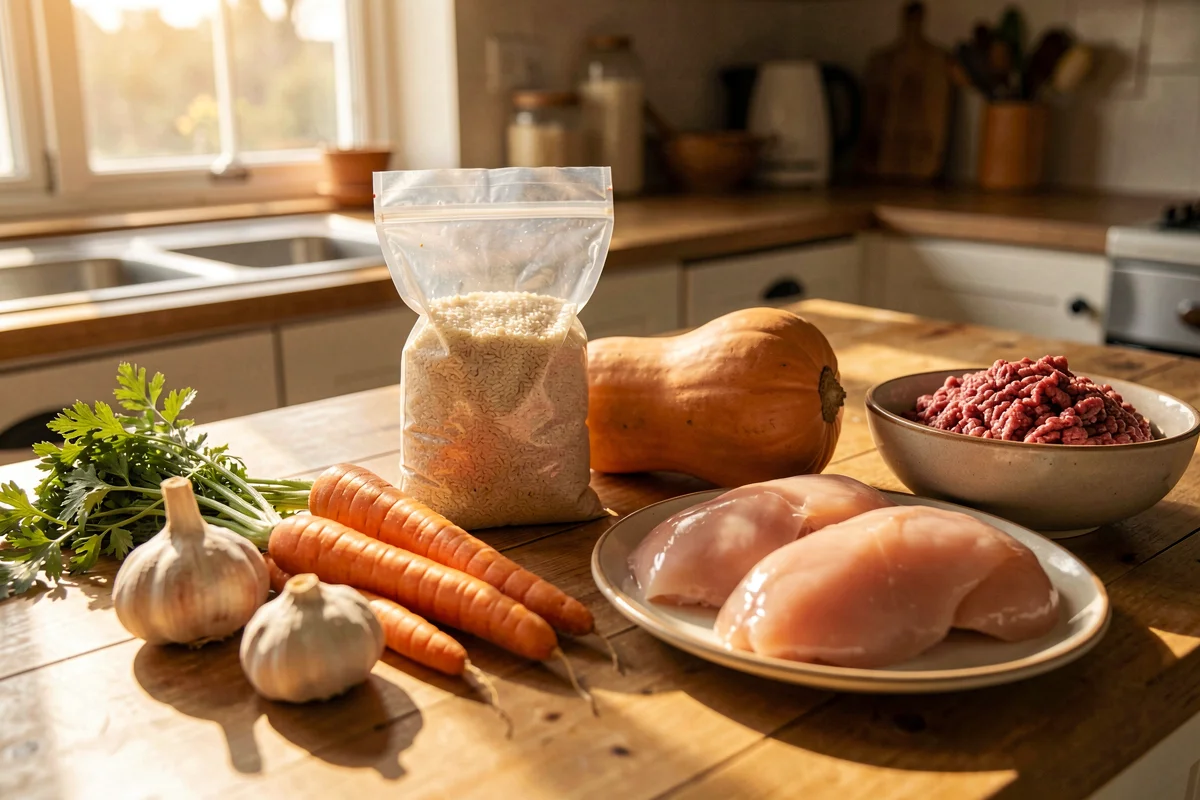
The core move is simple. Pick one or two proteins and buy them in bulk, then plan multiple dinners around each one. Here's an example seven-day plan. Start by buying chicken breasts and ground beef in quantity. The chicken gets poached all at once on a Sunday, then becomes two different dinners plus lunch sandwiches for the week. The beef goes into a slow-braised stew that feeds the family over several days.
This one-cook-session approach does more than save time. The chicken poaching produces free stock, which then becomes the base for a chicken soup later in the week. That soup is the second-cheapest dinner on the plan because the protein was already cooked and the liquid is essentially free.
For beef, the strategy points toward the cheaper cuts. Chuck, shin, beef blade, and stewing beef are all designed for long, slow cooking. The braise breaks down tough fibers and turns inexpensive meat into something rich and deeply savory. A quick-cooked expensive steak will never match that depth of flavor.
Let Ingredients Do Double Duty
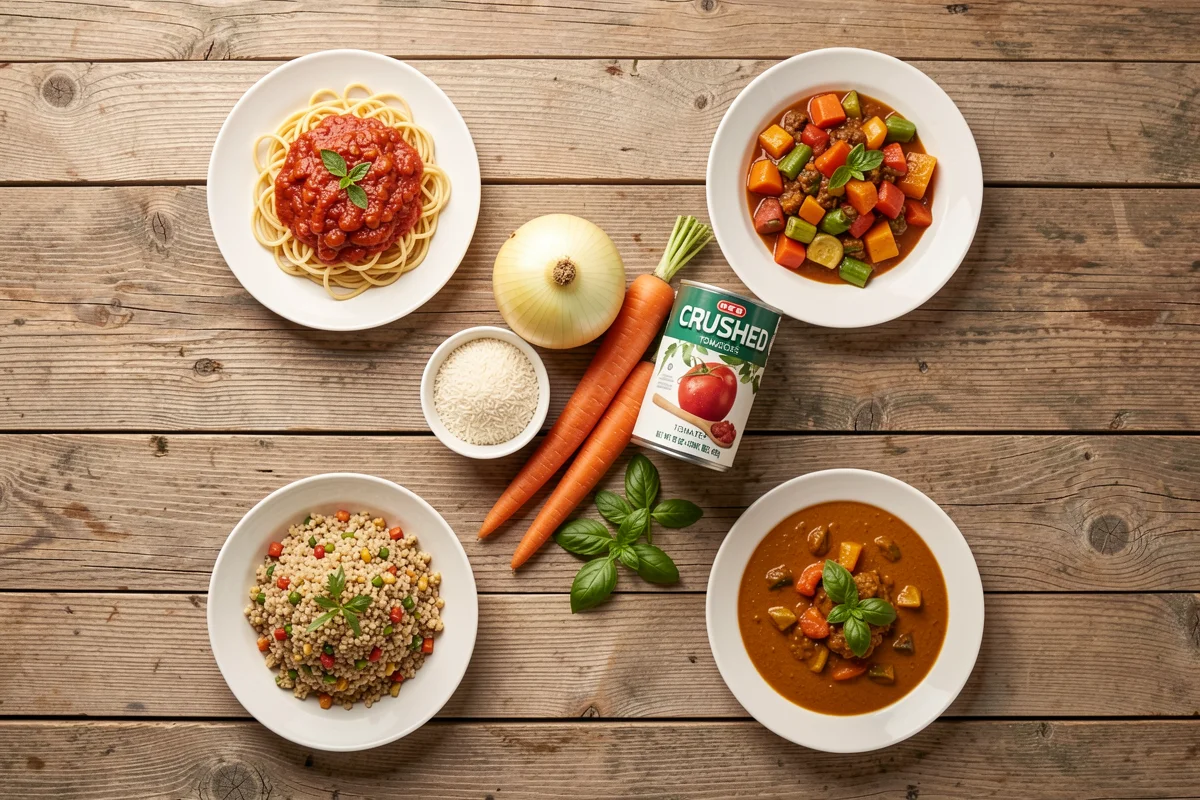
A single week of meals doesn't need a single week of ingredients. In the sample plan, rice, onions, carrots, and canned tomatoes appear in multiple dinners. Canned tomatoes go into the pasta sauce, the stew, and the curry. Carrots show up in nearly every dinner. Buy a big bag of potatoes, butternut squash, onions, and carrots on a bulk special and used them across the whole week, with leftovers carrying over into the next.
This overlap principle extends to produce. If basil is in the kitchen, it can anchor a sauce, a salad, and a garnish. Chickpeas can show up in bowls, salads, and as a protein add-on. Rice or quinoa becomes the base for several different meals. A handful of ingredients becomes a full week of food without the grocery list ballooning.
Mini Prep, Not Full Meal Prep
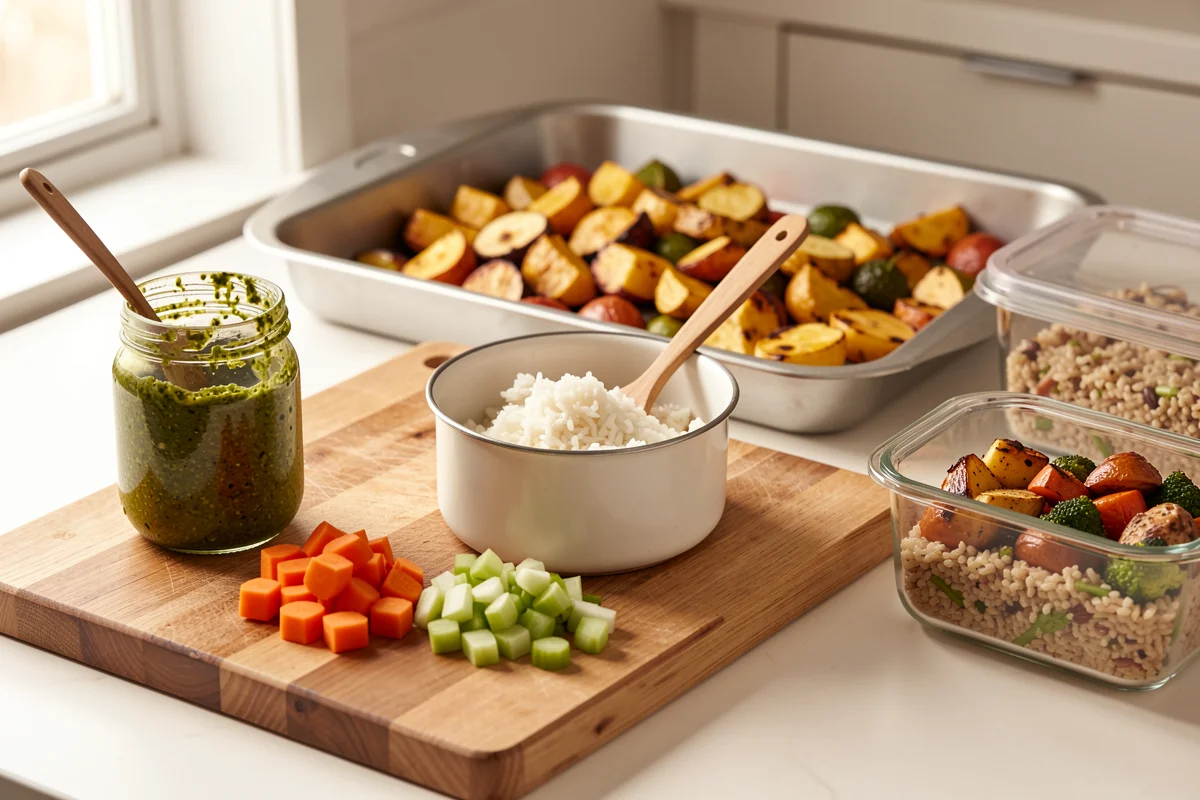
Full meal prep can feel rigid. A fridge full of identical containers gets old fast. A lighter approach works better for most people. The "mini prep" session might look like this:
- Wash and chop vegetables for the week
- Cook one or two grain bases (rice, quinoa, lentils)
- Make one sauce or dressing
- Roast a tray of vegetables
- Prep one or two full meals that are ready to grab
Then, throughout the week, those components get assembled into different meals. Roasted vegetables and pesto become a grain bowl one day, then a flatbread the next. The cooking happens once, but the meals still feel different each night.
Start With What You Already Have
Before adding a single item on the grocery list, take five minutes to look through the fridge, freezer, and pantry. Plan a meal around whatever needs to be used up. A half bunch of herbs, extra yogurt, or leftover roasted vegetables can turn into a quick sauce or a grain bowl. It is a small habit, but it reduces waste and trims the grocery bill over time.
From there, build the list around what is on sale, what can be repurposed across meals, and what is in season. Then shop only for those items plus pantry restocks. Making a list and sticking to it is especially useful when shopping with other people in the household, because it keeps impulse purchases out of the cart.
One Meatless Night, Zero Compromise
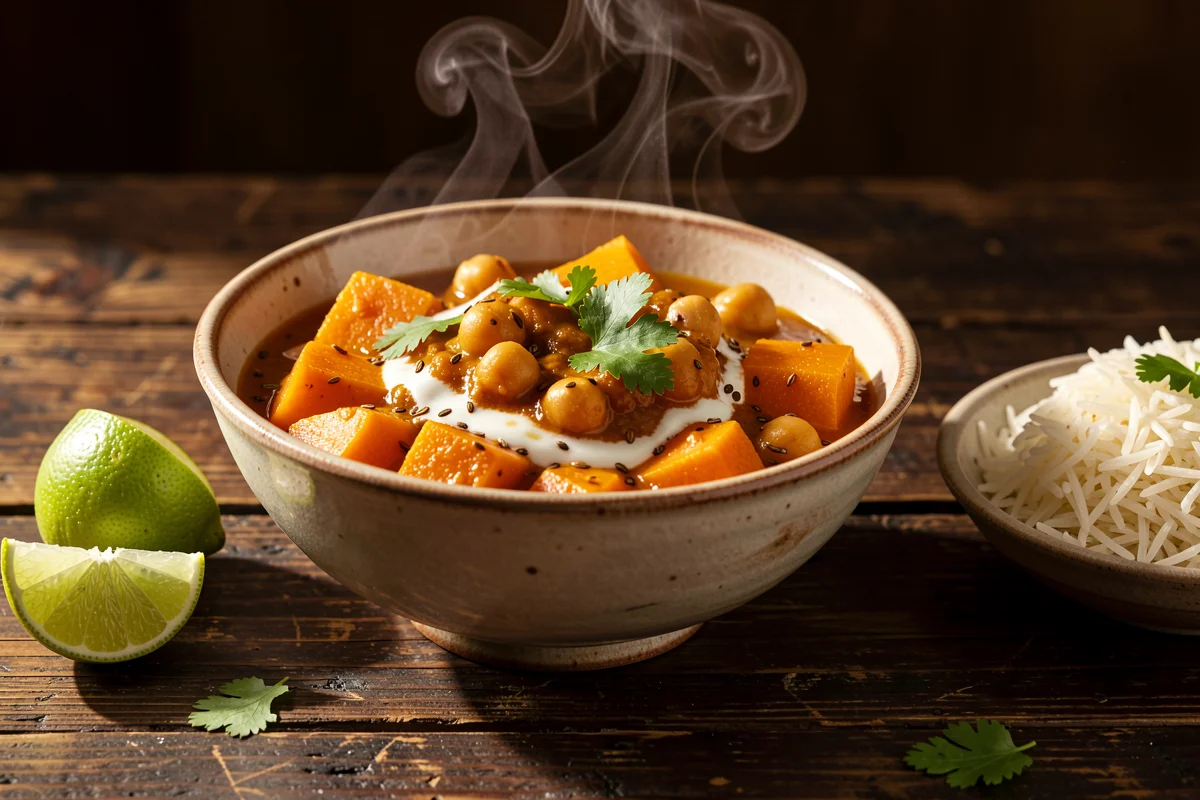
Including at least one vegetarian dinner per week is one of the simplest ways to reduce weekly spend. In the sample plan, the cheapest dinner by a significant margin is a chickpea butternut curry. It relies on pantry staples for the spice base and two inexpensive main ingredients: canned chickpeas and a whole butternut squash. No meat, no expensive specialty items, and the flavor holds its own against the rest of the week.
Freeze the Surplus
Several meals in a typical seven-day plan freeze well. Bolognese-style pasta sauce, chicken soup, beef stew, and extra burger patties all hold up in the freezer. Cooking a double batch on Sunday means Wednesday's dinner is already done. That single habit partially covers the following week and cuts down on the number of evenings that require starting from scratch.
Seasonal Produce as a Budget Lever
Planning around what is in season keeps costs down and flavor up. The approach is to look at what is actually available and affordable in the local market before even thinking about recipes. Seasonal produce tends to be cheaper, fresher, and more abundant. Building the week's menu around those ingredients means the grocery list stays short and the food tastes like it was picked that morning.
Zero Waste - Leftover Night Smorgasboard
If you find that you have leftovers from different meals sitting in your fridge, this is a great time to use them. It may mean that different family members arent eating the same things for this meal and that can be a good thing, you can mix and match the leftovers, or with some creativity turn them into a completely different meal. Here you treat the leftovers them like components of a meal rather than each one being a full meal. A serving of Chicken, a bowl stew and a serving of rice. Everyone gets fed, you don't waste food, you empty out the fridge and you save money all in one shot.
The Bigger Picture
None of these strategies require a massive time investment or a kitchen full of gadgets. The system is: buy two proteins in bulk, let crossover ingredients carry the week, do a light prep session, plan around what is already in the pantry, include one meatless dinner, and freeze what you won't eat in two days. Do that, and the grocery bill drops while that 5:45 p.m. Tuesday dread fades into something more like a routine.